Home Inspection Checklist
What to Look For Before You Buy
Here's what to look for in a house inspection: the roof, foundation, electrical system, plumbing, HVAC, water heater, any water damage or mold, and the grading and drainage around the home. Work through the quick checklist below area by area so nothing important slips past you during the inspection.
Home Inspection Checklist for Buyers: What to Look For
Here is the quick buyer's checklist for a house inspection. Work through each area with your inspector so you know the true condition of the home before you commit:
Foundation
Cracks, settling, uneven floors, water intrusion
Roof
Age, missing or damaged shingles, flashing, gutters
Electrical
Panel capacity, outlets, GFCI, wiring type, detectors
Plumbing
Leaks, pipe material, water pressure, sewer line
HVAC
Heating and cooling age, airflow, ducts, thermostat
Water Heater
Age and condition, leaks, signs of corrosion
Windows & Doors
Operation, seals, weatherstripping, cracked glass
Water Damage or Mold
Stains, musty odors, active leaks, mold indicators
Grading & Drainage
Ground sloping away from the foundation, gutters
Each area below is covered in more detail in the full checklist, along with the red flags that should make you pause and the specialists worth bringing in when something needs a closer look.
Why a Home Inspection Matters
Protects Your Investment
A home can look beautiful on the surface while hiding costly problems behind walls, under floors, and above ceilings. A professional inspector identifies issues you would never catch on your own — saving you from unexpected repair bills that could reach thousands of dollars. In the Murrieta and Temecula area, where home prices vary by neighborhood and change over time, even a small hidden defect can represent a significant financial risk. If you are financing with an FHA loan, the appraisal process includes additional property requirements — learn more in our FHA Loan Guide.
Gives You Negotiation Leverage
Inspection findings give you concrete evidence to negotiate with. Whether it's requesting repairs, asking for a price reduction, or requesting seller credits toward closing costs, the inspection report is your leverage. We use these findings strategically — focusing on significant issues rather than minor cosmetic items — so you get the most value from your negotiation.
Helps You Plan Ahead
Even if you decide to move forward with a home that has issues, the inspection tells you what to expect. You can budget for repairs, prioritize maintenance, and plan for upcoming system replacements — like a water heater nearing end of life or a roof that will need attention in a few years. Knowledge removes surprises. First-time buyers, in particular, will find our First-Time Buyer Hub helpful for preparing for this and every other step of the process.
Peace of Mind
Buying a home is emotional — and it should be. The inspection lets you feel confident rather than anxious. When you understand the true condition of the home, you can move forward with clarity and peace of mind, knowing exactly what you're taking on. That's exactly the feeling we want you to have.
What's Included in a Standard Inspection
A standard home inspection covers the major systems and structural components of the home. While every inspection is slightly different, here are the core areas a qualified inspector will evaluate:
Structural Elements
- Foundation cracks, settling, or water intrusion signs
- Visible cracks in walls, ceilings, or floors
- Sagging or uneven floors
- Doors and windows that stick or don't latch properly
- Signs of water damage on walls or ceilings
- Condition of load-bearing walls and support beams
- Attic structure and roof framing condition
Roof
- Age and remaining lifespan of roofing material
- Missing, cracked, curling, or damaged shingles
- Condition of flashing around vents, chimneys, and skylights
- Signs of sagging or structural issues in the roof deck
- Gutter condition and proper drainage away from foundation
- Signs of previous roof repairs or patches
- Attic ventilation and insulation condition
HVAC System
- Age and condition of heating and cooling systems
- Filter condition and maintenance history
- Proper airflow from all vents throughout the home
- Thermostat function and calibration
- Ductwork condition — leaks, insulation, or damage
- Signs of refrigerant leaks or unusual noises from the AC unit
Insulation & Ventilation
- Attic insulation depth and condition
- Ventilation in attic, crawlspace, and bathrooms
- Signs of moisture buildup or inadequate airflow
- Window and door weatherstripping condition
- Attic access and insulation around recessed lights
Exterior Inspection Items
The exterior of the home tells you a lot about how well it has been maintained and whether water, pests, or weather have taken a toll. In Southwest Riverside County, where we experience intense sun and seasonal rain, exterior condition is especially important.
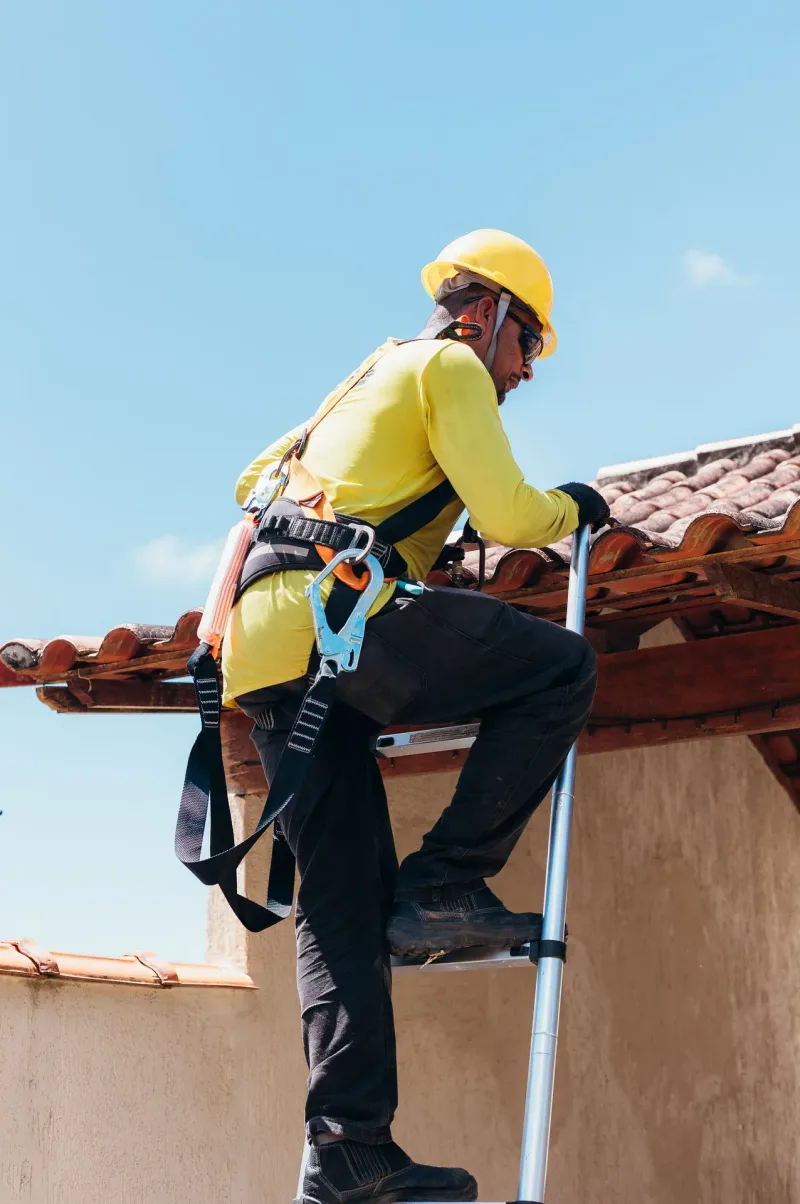
A professional roof and exterior assessment helps catch issues before they become costly repairs.
Interior Inspection Items
Inside the home, your inspector is looking for signs of damage, poor workmanship, safety hazards, and maintenance issues. Here's what they'll be checking room by room:
Kitchen & Bathroom Specifics
Kitchens and bathrooms are where most home repair costs hide. Plumbing connections, water exposure, and appliance condition all deserve close attention.
Kitchen
- All appliances tested — dishwasher, range, oven, microwave, garbage disposal
- Faucets and sprayers — water pressure, hot water delivery, leaks
- Sinks and drains — proper drainage, no leaks under the cabinet
- Countertop condition and stability
- Ventilation — range hood or exhaust fan vented to exterior
- Cabinets — operation, soft-close features, and any water damage
Bathroom
- Toilets — stability, flushing, and any signs of leaking at the base
- Faucets and showerheads — pressure, temperature, and drips
- Bathtub and shower condition — caulk, grout, and drain function
- Exhaust fan operation — vents to exterior, not just attic
- Under-sink plumbing — supply lines, P-traps, and shut-off valves
- Tile and flooring condition — soft spots or water damage indicators
Electrical System: What to Check
Electrical issues are among the most dangerous and expensive problems to fix. Older homes in the Murrieta and Temecula area may have outdated wiring that needs evaluation. Here's what your inspection should cover:
A Note on Wiring Types
Knob-and-tube wiring (common in homes built before 1950) lacks a ground wire and can be a fire hazard, especially when combined with insulation. Aluminum branch wiring (common in the 1960s–1970s) can loosen at connections over time, creating fire risks. Both types may make it difficult or expensive to obtain homeowner's insurance. If your inspector identifies either type, we recommend bringing in a licensed electrician for a detailed evaluation before proceeding.
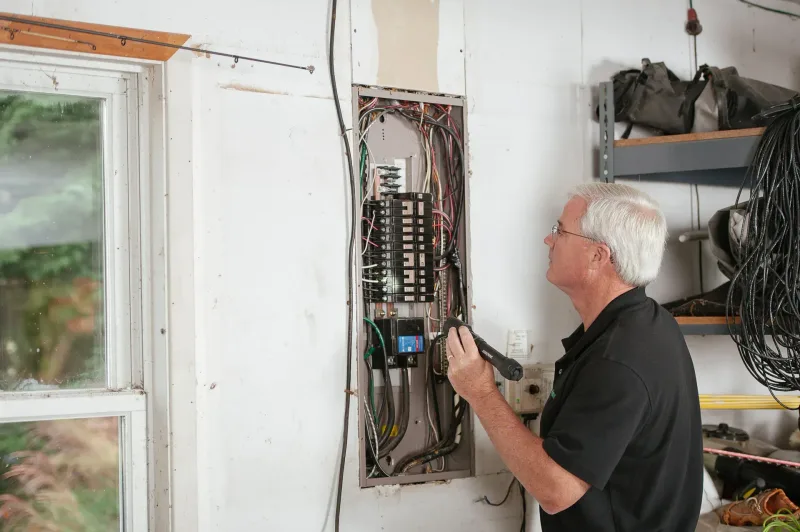
A licensed inspector evaluates the electrical panel for capacity, labeling, and safety concerns.
Plumbing: What to Know
Plumbing problems can range from minor annoyances to catastrophic failures. Understanding what's behind the walls and under the floors is essential before you commit to a home.
Copper
Durable and reliable — the gold standard for residential plumbing. Look for signs of corrosion at joints.
PEX
Flexible plastic tubing widely used in newer construction. Affordable and resistant to freezing, but may not be permitted in all areas.
Galvanized Steel
Common in older homes. These pipes corrode from the inside out over time, restricting water flow and eventually leaking. Replacement is often recommended.
Red Flags That Should Make You Pause
Not every inspection finding is a deal-breaker. Some are negotiable, some are expected in older homes, and some are minor. But certain issues are serious enough that you should carefully consider whether to proceed — or walk away entirely.
Active Mold or Mildew
Any visible mold — especially black mold — in the home is a serious health and structural concern. It often indicates hidden moisture problems that can be expensive to remediate.
Significant Foundation Cracks
Hairline cracks are common in California, but horizontal cracks, stair-step cracks in brick, or cracks wider than 1/4 inch may indicate structural movement that requires engineering evaluation.
Termite or Dry Rot Damage
Active infestation or extensive structural damage from past termites should be carefully evaluated. In Southwest Riverside County, termite activity is common and inspections are essential.
Outdated Electrical Wiring
Knob-and-tube or aluminum branch wiring poses fire risks and may be difficult or expensive to insure. Replacement is often recommended before closing.
Sewer Line Issues
Tree root intrusion, bellied pipes, or a deteriorating sewer lateral can cost $5,000–$25,000+ to repair. A sewer scope is your best protection against this surprise.
Water Damage or Staining
Active leaks, water stains on ceilings or walls, or signs of previous flooding suggest ongoing or unresolved moisture issues that can lead to structural damage and mold.
Roof Near End of Life
A roof that needs replacement within a few years represents a major expense. Understand the remaining useful life and factor the cost into your negotiations.
Environmental Hazards
Asbestos in older homes, lead-based paint (pre-1978), or underground storage tanks can create significant health and financial liabilities. These require specialized testing.
When to Bring in Specialists
A general home inspector is your first line of defense, but some issues require specialized expertise. Here's when you should consider bringing in an additional specialist:
Structural Engineer
Bring one in if the inspector notes significant foundation issues, large cracks, or signs of structural settling. They can assess whether repairs are needed and estimate costs.
Pest/Termite Inspection (WDI)
In Southwest Riverside County, a wood-destroying insect inspection is standard. It identifies active or past termite, beetle, or dry rot damage that the general inspection may flag but not fully evaluate.
Sewer Scope
A camera inspection of the sewer line from the house to the city connection. This identifies root intrusion, cracks, bellies, or blockages — issues that are invisible from the surface but can be very expensive.
Chimney Inspection
If the home has a fireplace or wood stove, a Level 2 chimney inspection checks for creosote buildup, flue damage, and proper drafting. Essential for safety and insurance requirements.
Mold Inspection
If the general inspector finds signs of moisture intrusion or musty odors, a certified mold inspector can test air quality and surface samples to determine the extent and type of contamination.
Roof Specialist
A roofing contractor can provide a detailed assessment of remaining roof life, specific repair needs, and replacement cost estimates — especially valuable for older roofs.
Questions to Ask Your Inspector
An informed buyer is a confident buyer. Here are key questions to ask during or after your inspection — the answers will help you understand the true condition of the home and what steps to take next.
Take This Checklist With You
Print this checklist to use during home tours and inspections — it's a handy reference you can carry with you or share with your inspector.
Tip: In the print dialog, select "Save as PDF" to save a digital copy.
Have Questions About What You Found?
Inspection reports can be overwhelming — full of technical language and a long list of items. That's exactly where we help. We walk you through every finding, help you understand what's important, and guide you through your options — whether that's negotiating repairs, adjusting your offer, or moving forward with confidence.
If you're buying a home in the Murrieta, Temecula, or Southwest Riverside County area, we'd love to be your guide through the process. From finding the right home to navigating inspections to handing you the keys — we're with you from start to finish.